May 21, 2026
Weather patterns have always dictated the behaviors of the natural world, and insects and rodents are certainly no exception to this rule. As the seasons shift and outdoor conditions transform, the creatures living outside your home often start looking for more comfortable environments. When the climate becomes too extreme, whether it gets too hot, too cold, too wet, or too dry, insects and rodents seek shelter, food, and water inside residential spaces. This natural migration means that homeowners must remain vigilant throughout the changing seasons. Proper pest control requires a deep understanding of how different weather shifts influence insect and rodent behavior. By anticipating these movements, you can better protect your living space from unwanted visitors. Understanding the environmental triggers that push insects and rodents indoors is a vital step in proactive home maintenance. Whenever the skies darken or the sun beats down relentlessly, creatures adjust their survival strategies, which often involves moving closer to human habitation. Preparing your home for these inevitable shifts ensures a more comfortable and secure indoor environment throughout the changing seasons.
Understanding Temperature Increases
When the weather begins to warm up, insects and rodents experience a significant boost in their activity levels. Cold-blooded creatures rely entirely on their environment to regulate their body temperature, meaning warmer days naturally increase their metabolic rates. This metabolic spike drives them to search for sustenance and water more aggressively. As they scour the landscape for resources, they frequently find their way into homes, kitchens, and basements. High temperatures can also dry out natural water sources, pushing these creatures indoors to find moisture. Effective pest control strategies must adapt to these surging activity levels as the spring and summer months approach. Warmer weather accelerates reproduction cycles, leading to larger populations in a shorter amount of time. Homeowners might notice a sudden influx of unwanted guests as the outdoor heat intensifies. Blocking entry points around windows and doors becomes essential during this time. Staying ahead of these rising temperatures means securing the perimeter of your house before the heat waves hit. Taking proactive measures prevents small groups of insects from turning into massive infestations. The relationship between rising heat and insect activity is a direct one, demanding consistent vigilance from anyone trying to maintain a comfortable, secure living space.
Evaluating Humidity Fluctuations
Moisture in the air plays a monumental role in the survival and proliferation of many different insects. High-humidity environments create ideal breeding grounds, especially for creatures that thrive in dampness. Basements, crawl spaces, and bathrooms often become safe havens for these moisture-loving insects when outdoor humidity rises. The muggy air provides the perfect conditions for populations to explode rapidly. Implementing adequate pest control involves monitoring indoor humidity and ensuring adequate ventilation in prone areas. Dehumidifiers and fans can help reduce the indoor moisture that attracts these creatures. Conversely, a sudden drop in humidity can also cause problems. When the outside air becomes excessively dry, creatures that need moisture to survive will attempt to find it inside your home. They will migrate toward leaky pipes, pet water bowls, and condensation around windows. Identifying and fixing any plumbing issues is a critical step in keeping your home unappealing to these thirsty invaders. Both high and low humidity extremes force creatures to adapt, and their adaptation usually involves invading residential properties. Keeping your indoor climate balanced and dry is a highly effective way to deter moisture-seeking insects.
Monitoring Rainfall Accumulation
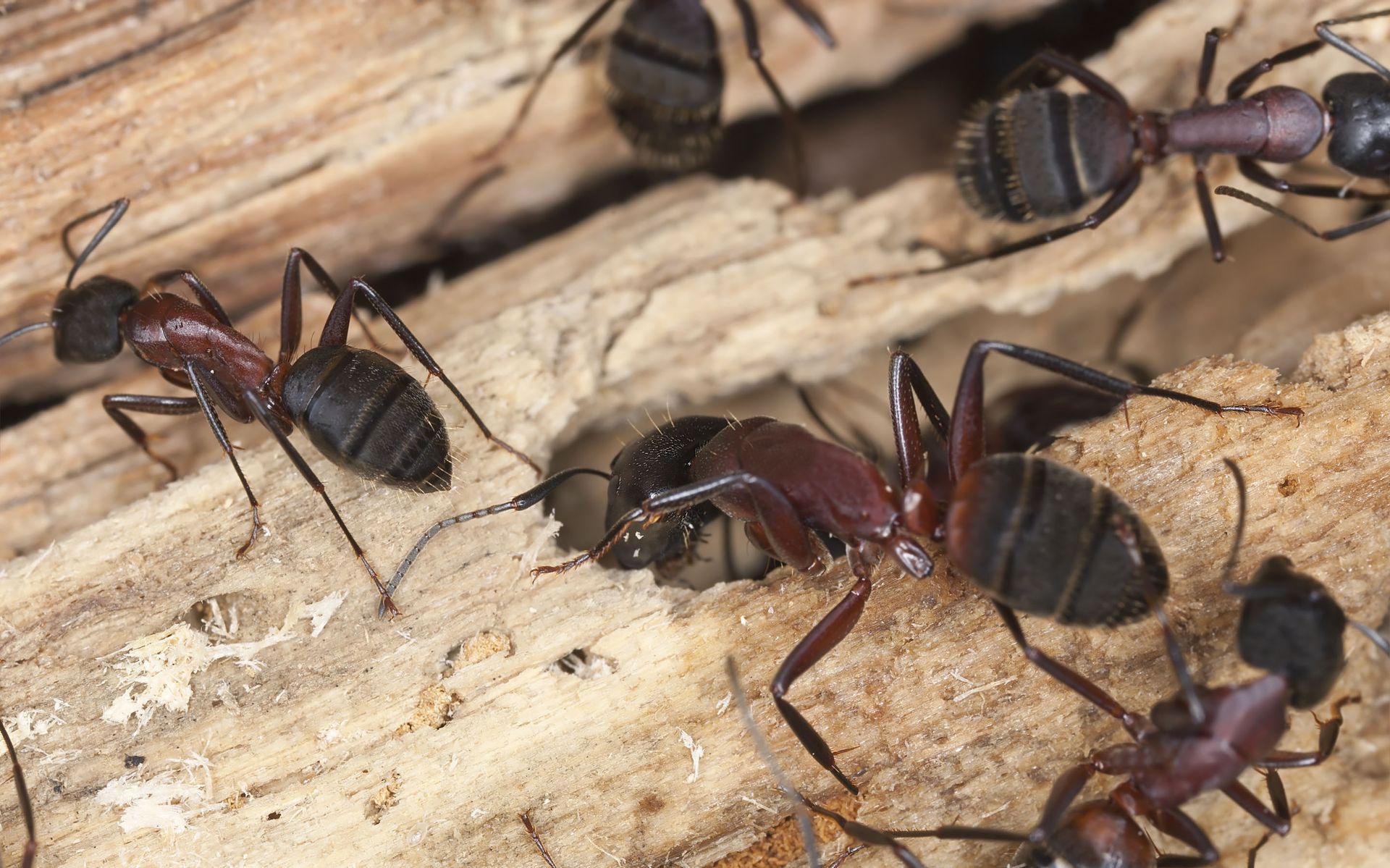
Heavy rain brings a unique set of challenges for homeowners trying to keep their spaces secure. When downpours saturate the ground, the natural habitats of many insects and rodents become completely flooded. To avoid drowning, these creatures are forced to seek higher, drier ground, which frequently leads them directly into houses and garages. Even a moderate rainstorm can trigger a mass migration from the yard into the foundation of a building. According to OneDesk, roughly 50% of the U.S. population reports that they've seen ants on a yearly basis. This high frequency is often exacerbated by heavy rains washing out their outdoor colonies. Solid pest control requires inspecting the foundation of your home after significant rain events to ensure no new entry points have been compromised. Standing water left behind by storms also creates immense problems. Puddles in the yard, clogged gutters, and birdbaths become massive breeding zones for flying insects. Removing standing water quickly is vital to preventing these populations from multiplying near your house. Rain forces ground-dwelling insects up and out, making the interior of a home a highly sought-after refuge. Proper drainage around the property is a necessary defense mechanism.
Assessing Drought Conditions
Extended periods without rain create a desperate situation for outdoor wildlife and insects. Severe dry spells eliminate the natural puddles, morning dew, and plant moisture that creatures rely on to survive. Driven by extreme thirst, insects and rodents will relentlessly breach the barriers of a home to access the water inside. Sinks, bathtubs, and even condensation on pipes become lifelines for these parched invaders. An essential component of reliable pest control during a drought is securing all potential water sources within the house. Ensuring that faucets do not drip and that standing water is wiped up immediately can discourage these desperate creatures. Droughts also cause plants to wither, reducing the natural food supply available outdoors. This lack of vegetation forces rodents and insects to look for crumbs, pantry items, and trash indoors. Sealing food in airtight containers and keeping the kitchen meticulously clean becomes even more critical when the exterior environment is barren. The harsh reality of a drought pushes nature to its limits, and homes often represent the only oasis available. Protecting your space during dry spells requires a focused effort on eliminating accessible food and water.
Recognizing Seasonal Transitions
The shift from warm weather to cool weather is arguably the most critical time for indoor invasions. As the days grow shorter and a chill fills the air, creatures instinctively know they need to find shelter to survive the upcoming freeze. Rodents, specifically, are notorious for moving into attics and wall voids as the frost approaches. Insects also seek refuge in cracks, crevices, and warm corners of a house to enter their dormant states safely. Comprehensive pest control during the autumn season focuses heavily on exclusion techniques. Sealing gaps around utility pipes, replacing damaged weather stripping, and repairing torn screens are all mandatory steps to block wintering insects and rodents. The transition out of winter into spring poses its own set of challenges as dormant insects awaken and begin searching for food. The melting snow and warming soil trigger a frenzy of activity right outside your door. Navigating these transitional periods requires foresight and preparation. Waiting until the creatures are already inside makes the situation significantly harder to manage. Homeowners who anticipate the seasonal shifts and fortify their homes beforehand experience far fewer disruptions. Adapting your defense strategies to match the calendar is the smartest approach.
The constant ebb and flow of the weather will always dictate the movement of creatures in the natural world. Whether dealing with sweltering heat, torrential downpours, severe droughts, or dropping temperatures, homes remain a constant target for creatures seeking refuge. Understanding the specific environmental triggers that drive insects and rodents indoors empowers homeowners to take decisive, preventative action. By recognizing how temperature, moisture, and seasonal changes impact insect behavior, you can secure your property long before an invasion occurs. Maintaining a comfortable living space requires acknowledging the profound influence of the weather on outdoor wildlife. When the climate changes, professional guidance is often the best way to keep your home fully protected from unwanted visitors. Implementing a reliable pest control strategy ensures your property remains safe and secure regardless of the forecast outside. If you are ready to safeguard your home against these weather-driven invasions, call Economy Pest Control Inc today to learn more.