November 3, 2026
Your home is your sanctuary, but sometimes, uninvited guests like pests can make it feel less than inviting. A professional pest control service can help reclaim your space. Here's what you can expect during your first professional pest control visit, guiding you through the process and helping you feel prepared. Understanding each step, from preparation to post-treatment, can alleviate any anxiety associated with the process. With expert help from a pest exterminator, you’re on your way to a safer and more comfortable living environment.
Visit Preparation
Clearing Obstructions
Before your pest control professional arrives, it's important to clear obstructions around your home to ensure they have full access to all necessary areas. Move furniture away from walls and ensure spaces like closets and basements are easily accessible. This will help the exterminator conduct a thorough inspection and apply treatments more effectively. Clearing obstructions might seem tedious, but it is crucial for the success of the treatment plan. By doing so, you are contributing to a more efficient visit and effective pest control.
Understanding the Pest Problem
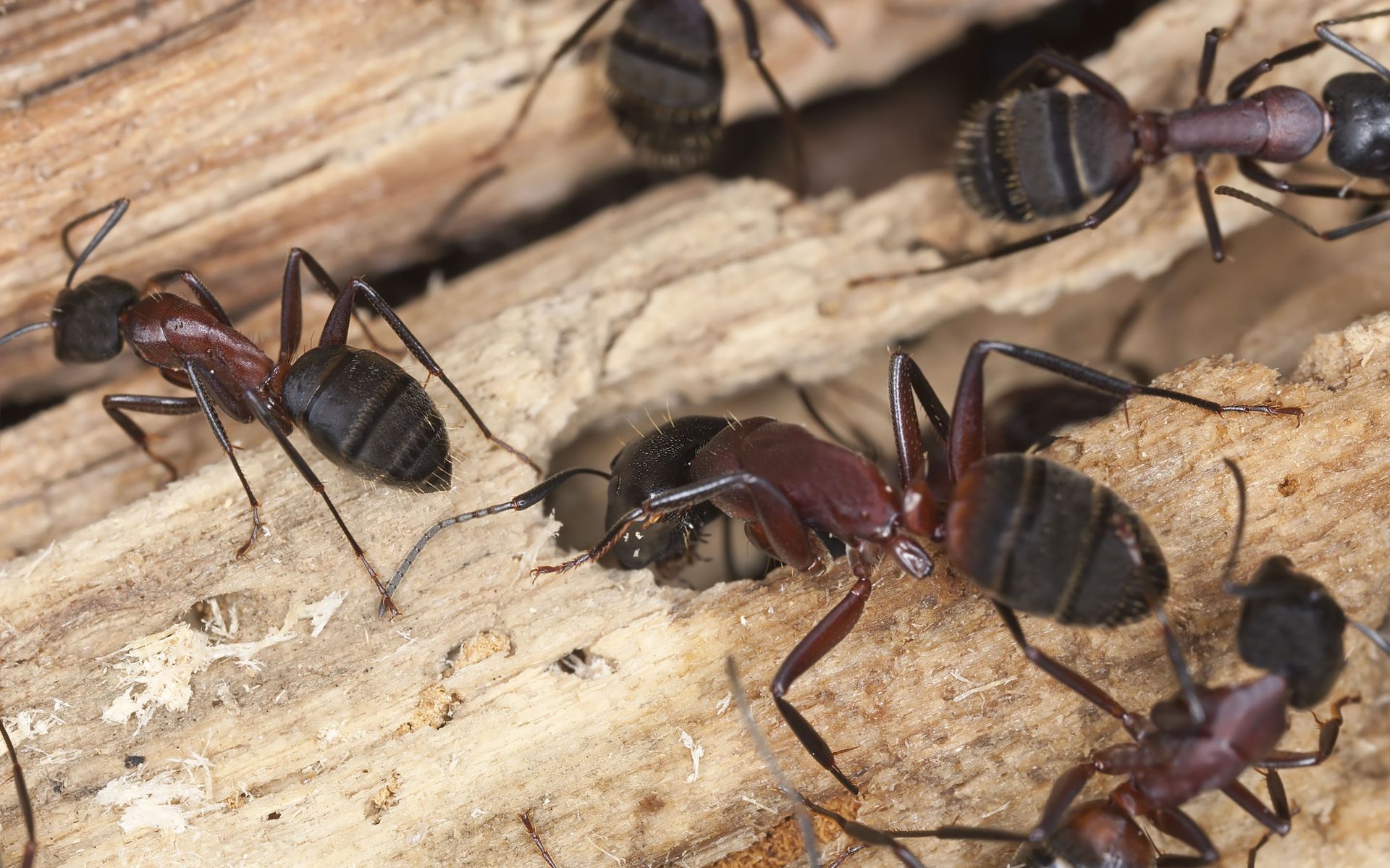
Having a basic understanding of your pest problem can significantly influence the effectiveness of the pest control visit. Make note of any unusual activity or possible signs of infestation, such as droppings or damaged wood. This information helps the exterminator form an initial assessment and determine potential focal points for the inspection. It's beneficial to know what type of pests you are dealing with, as one in five homes falls victim to pests like bed bugs annually (according to Bed Bug Lawyers), and early intervention may prevent extensive infestations. Clear communication with your exterminator regarding these observations will aid in the creation of a more tailored treatment plan.
Communicating with the Pest Exterminator
Communication is key when it comes to effective pest control. Prepare a list of questions and any concerns you might have regarding the treatment process. Discuss with the exterminator your observations about pest activity, as they can provide valuable insights into potential risks and expected outcomes. By establishing a clear line of communication, you can ensure that both you and the exterminator are on the same page. This partnership can lead to a more successful pest control visit, addressing your specific concerns and expectations.
Initial Inspection
Exterior Examination
The first step during a pest exterminator visit typically involves an exterior examination of your home. The exterminator will evaluate the outside of your house, checking for signs of entry or nesting of pests. This can include looking for cracks, holes, or other vulnerabilities that might serve as gateways for pests. By understanding how pests are entering, an exterminator can provide solutions for sealing these access points to prevent future infestations. Addressing the external environment is just as crucial as the internal, as it often reveals the primary sources of pest problems.
Interior Assessment
Following the exterior inspection, the pest exterminator will conduct a thorough interior assessment. This involves examining key areas like kitchens, basements, attics, and bathrooms where pest activity is common. The exterminator will look for evidence such as droppings, nests, or damage caused by pests, which helps in understanding the extent and type of infestation. This detailed inspection inside your home is vital, as it informs the exterminator’s decisions regarding the treatment methods and products to be used. A comprehensive interior assessment can make the difference in effectively identifying and targeting the pests causing issues.
Identifying Entry Points
Part of the exterminator's job during the initial inspection is identifying entry points that pests use to infiltrate your home. These can include gaps around doors and windows, vents, and utility openings. Recognizing these entry points allows the pest exterminator to recommend sealant solutions or other corrective measures to prevent further access. Blocking off these openings is a proactive step towards long-term pest control. It helps stop infestations at the source and prevents future issues from occurring.
Spotting Infestation Signs
During the inspection, the exterminator will focus on spotting signs of infestation. This could include visible pests, damaged materials, or tell-tale signs like droppings or gnaw marks. Identifying these signs is crucial as it dictates the severity of the problem and influences the treatment methodology. Quick identification and response can help prevent the problem from escalating and reduce damage to your home. By understanding what to look for, the pest exterminator can develop a more effective strategy to eliminate the pests.
Treatment Plan Development
Customizing Solutions
Once the initial inspection is complete, the
pest exterminator will focus on developing a customized treatment plan tailored to your specific pest problem. Different homes have different characteristics, and pests might react differently based on these conditions. The plan will take into account the type of pest, the size of the infestation, and any environmental factors that might affect the treatment's effectiveness. Customizing solutions helps to ensure that the treatment is not just effective in the short term but also sustainable in the long term. This tailored approach maximizes the chances of eradicating the pests and prevents future invasions.
Selecting Treatment Methods
The selection of treatment methods is a critical step in the pest control process. The exterminator might choose between chemical or non-chemical options, depending on the situation and your preferences. Chemical treatments are often more effective for severe infestations, while non-chemical methods might be suitable for milder cases or for homeowners who prefer environmentally friendly options. The method chosen will aim to address the infestation effectively while considering health and safety implications. By understanding the reasoning behind each method, you can feel more confident in the treatment's potential for success.
Establishing a Timeline
Establishing a timeline for the pest control process is crucial for tracking progress and evaluating effectiveness. The exterminator will outline the stages of the treatment, from initial application to any necessary follow-up visits. This timeline helps you manage expectations and plan for any potential disruptions, especially concerning safety precautions. By knowing the scheduled phases of treatment, you can also monitor changes in pest activity and collaborate with the exterminator on modifications if needed. Consistent communication regarding the timeline supports a successful pest control strategy and provides you with peace of mind.
Treatment Application
Chemical Treatment
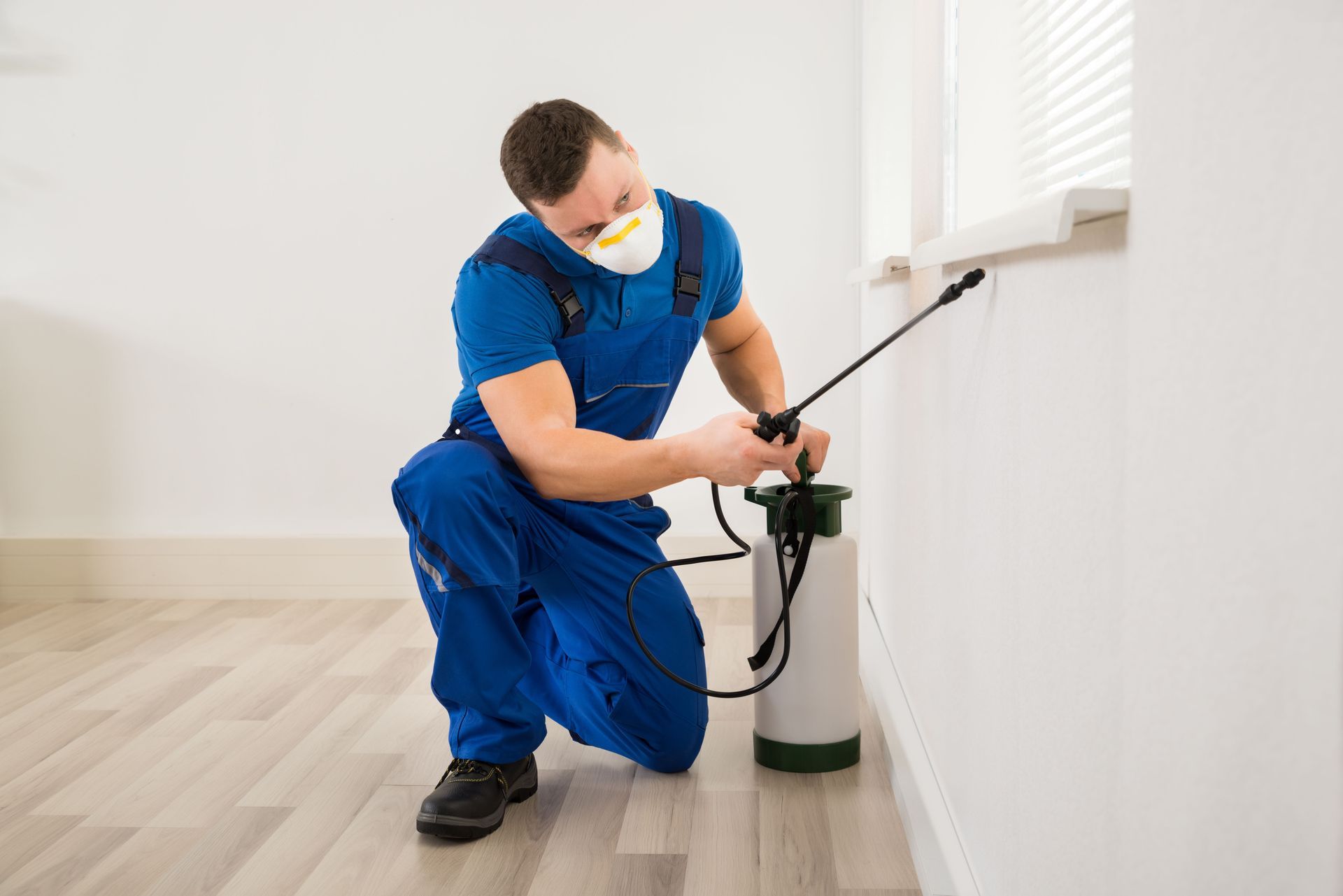
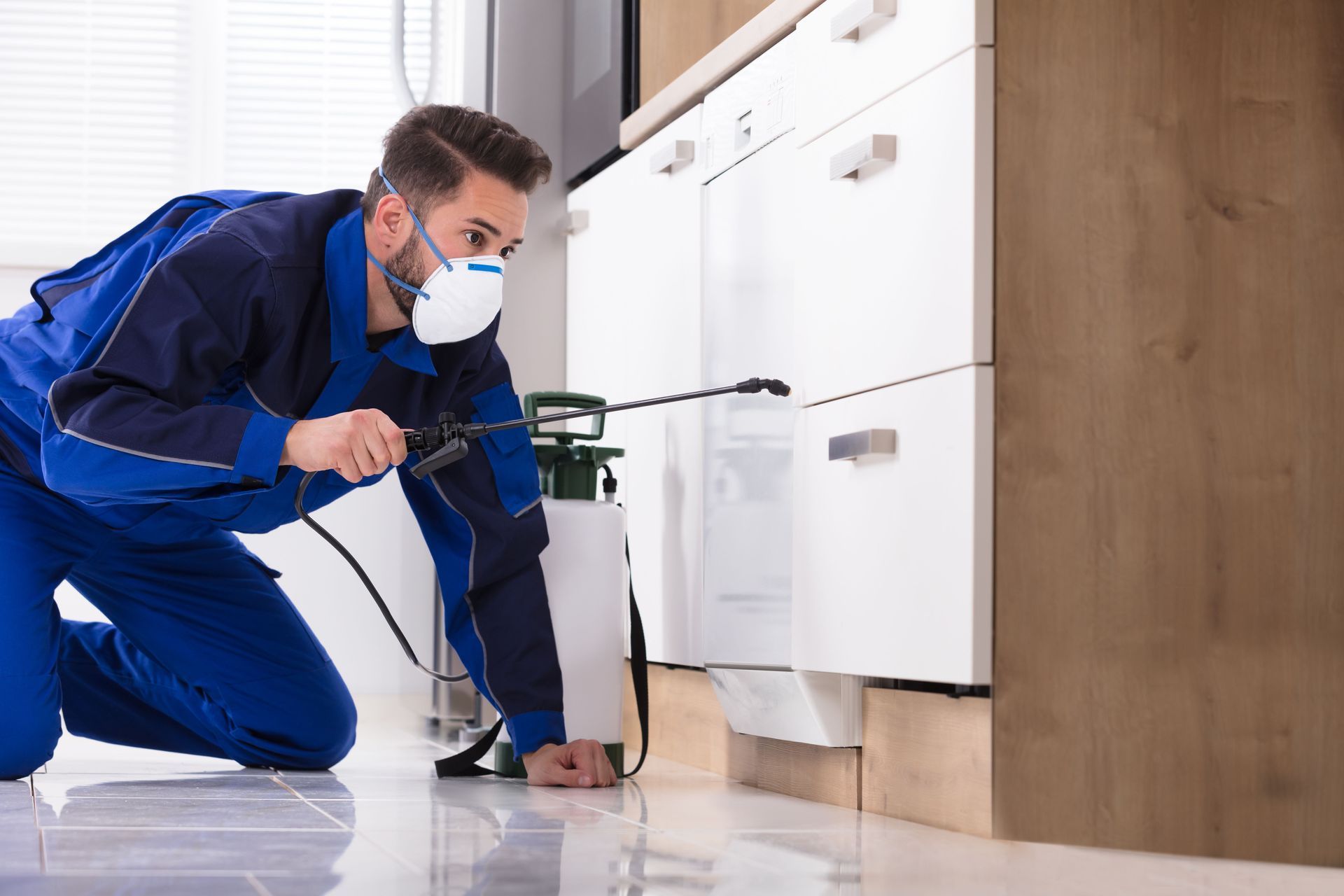
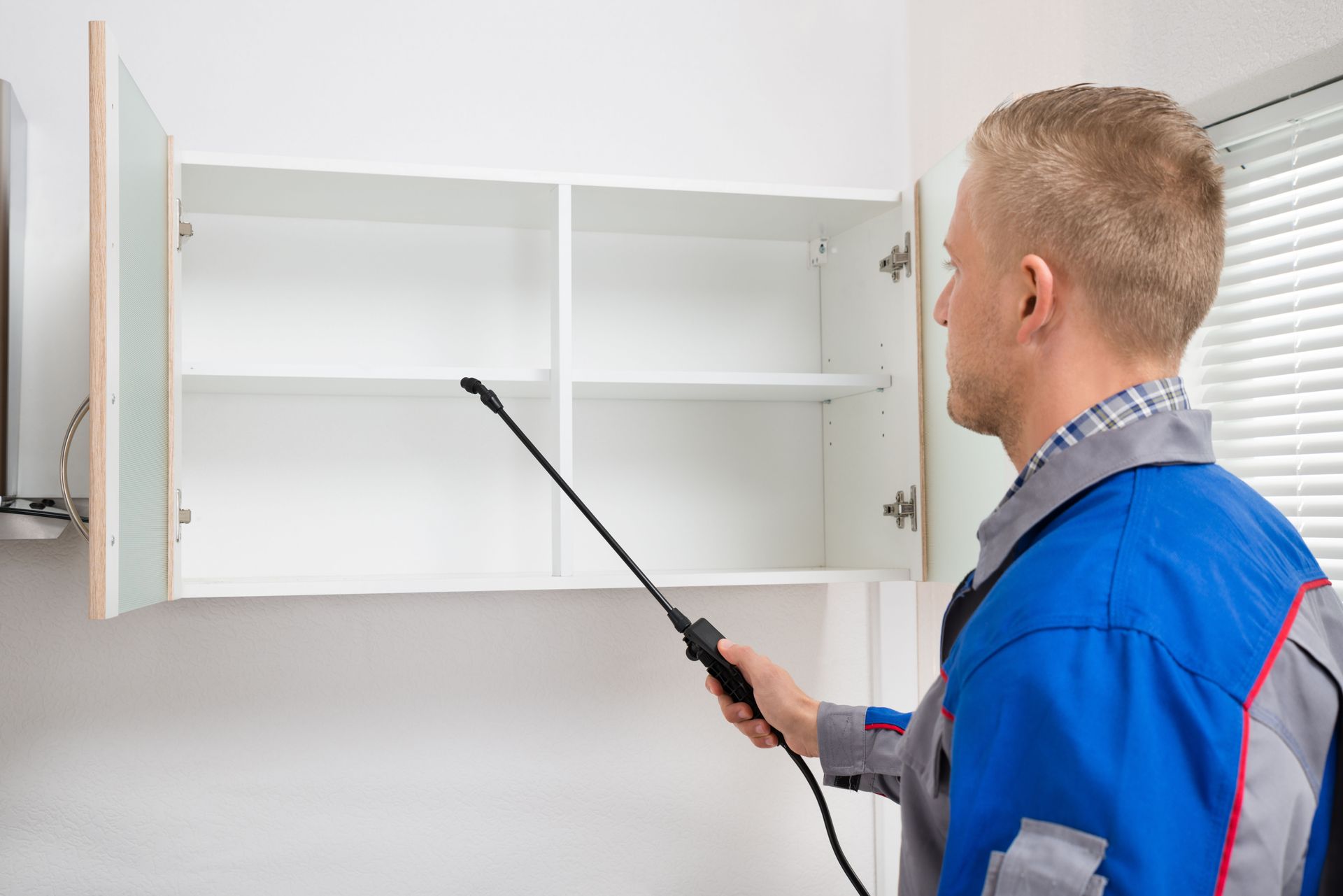
If a chemical treatment is deemed necessary, the exterminator will apply pesticides or insecticides targeting specific pests. These chemicals are usually fast-acting and effective in dealing with severe infestations. However, proper application and safety precautions are paramount to avoid adverse health effects to humans or pets. The exterminator will ensure that the chemicals are used safely and as intended, providing instructions on any temporary evacuations if needed. Chemical treatments can offer rapid relief but must be handled with care to ensure the safety of your household.
Non-Chemical Options
For those who prefer non-chemical solutions, there are effective alternative methods available. These might include traps, baits, or natural deterrents that can manage certain kinds of pest problems. Non-chemical options are typically more environmentally friendly and pose less risk to humans and pets. They may, however, require a longer time frame to yield results compared to chemical treatments. Your exterminator will discuss the viability and expected outcomes of these methods to align them with your pest control goals.
Your first pest control visit is a step towards a pest-free home. Professional pest control offers expertise and tailored strategies, providing a comprehensive approach to pest management. Embracing these efforts means investing in the protection and comfort of your living environment. Call Economy Pest Control Inc to schedule your inspection.