November 6, 2026
Bed bugs are notorious for causing distress in our homes, particularly in the bedroom, which is traditionally considered their primary habitat. However, these resilient pests have adapted and spread to various environments, posing challenges far beyond the confines of the typical household. When infestations travel to unexpected spaces, contacting licensed bed bug exterminators becomes critical to halting their lifecycle.
1. Hotels and Accommodations
Frequent Human Traffic and Turnover
Hotels and other accommodations experience constant human turnover, making them a hotspot for bed bug infestations. Each guest represents a potential introduction point for these pests, as they can be unknowingly carried in luggage or personal belongings. The frequent entry and exit of guests create opportunities for bed bugs to spread quickly from one room to another.
Moreover, the daily activities of housekeeping and maintenance inadvertently aid their movement, as bed bugs attach themselves to uniforms, carts, and cleaning equipment. When hoteliers spot early signs, professional bed bug exterminators should be brought in immediately to inspect surrounding rooms.
Room-to-Room Transmission
Beyond individual rooms, bed bugs frequently spread from one room to another, driven by their nature and the interconnectedness of hotel infrastructure. Adjacent rooms provide easy access points through shared walls, electrical outlets, and ventilation systems, enabling bed bugs to exploit these pathways.
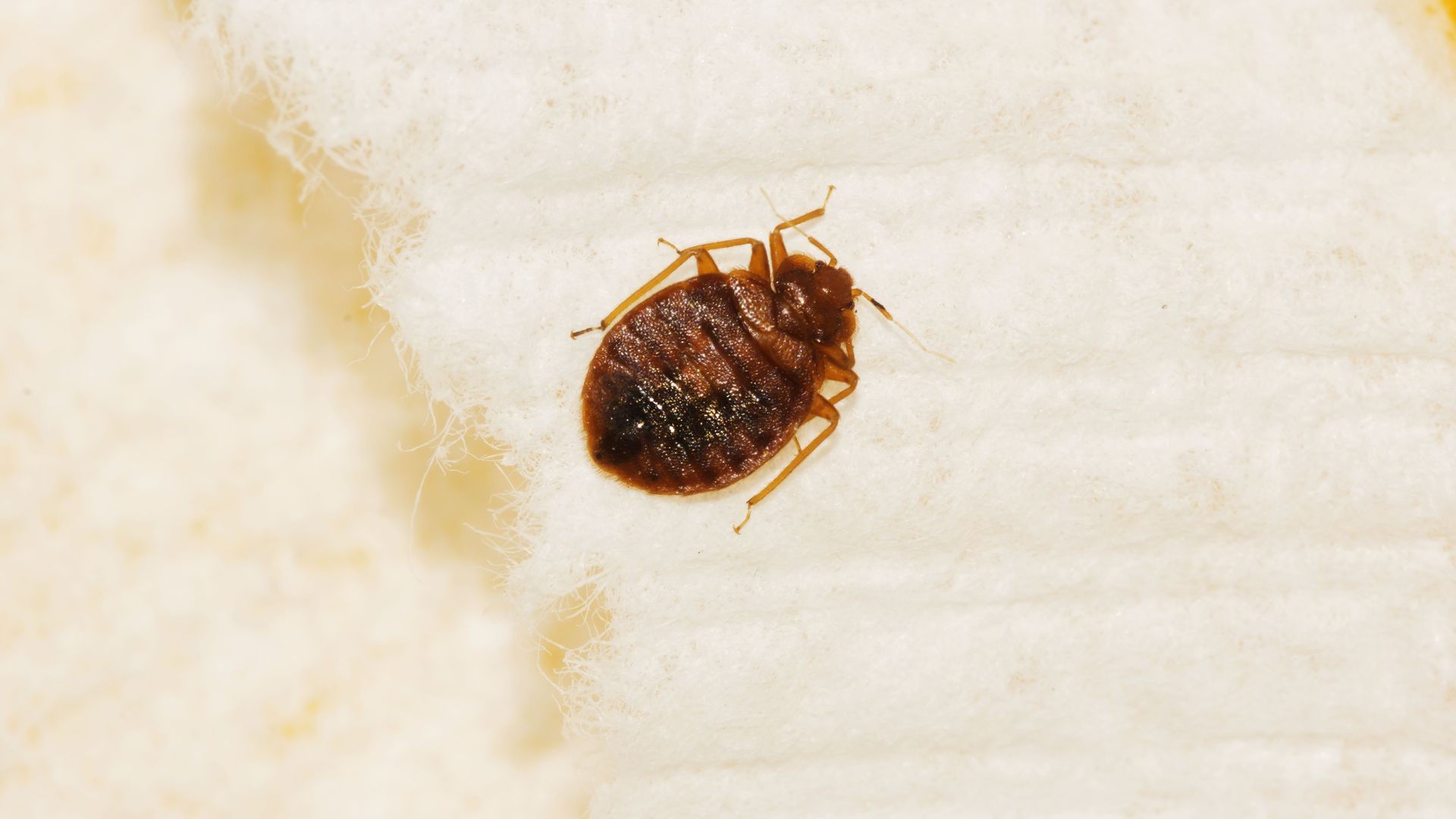
Their flattened, oval-shaped bodies, averaging about 5 mm in length according to the EPA, allow them to squeeze through cracks and crevices, further facilitating movement. This room-to-room transmission underscores why experienced bed bug exterminators recommend treating adjacent spaces alongside the primary infestation site.
Suitcases and Luggage Areas
Suitcases and luggage areas are pivotal in the cross-contamination of bed bugs among hotel rooms and even across geographical locations. Travellers unwittingly transport these pests when they check into hotels, creating a chain reaction as bed bugs use luggage as a vehicle. The pests find refuge in the seams and folds of bags, which often go unchecked, making them perfect breeding grounds.
Additionally, baggage storage areas, typically congested and insufficiently policed, exacerbate the spread of bed bugs. Recognizing luggage as a conduit for infestation emphasizes the need for effective preventive strategies within hospitality environments.
Maintenance and Housekeeping Challenges
The nature of hotel operations poses unique challenges in maintaining bed bug control and prevention measures. Housekeeping personnel, tasked with daily cleaning, may inadvertently assist in spreading bed bugs due to frequent contact with linen and mattresses. The complexity of maintaining cleanliness and vigilance across many rooms underscores the difficulties faced by hotel staff.
Moreover, maintenance protocols involving electrical upgrades or plumbing work can unintentionally open new pathways for bed bug migration. Addressing these challenges requires robust training and prompt consultation with bed bug exterminators to ensure early eradication.
Detection and Prevention Measures
Combatting bed bugs in hotels starts with early detection and the implementation of prevention measures tailored to the unique demands of the hospitality industry. Regular inspections of rooms and common areas, utilizing trained professionals, are essential to identify infestations before they spread. Modern tools, such as bed bug-sniffing dogs and digital monitoring systems, can enhance these inspection efforts, providing real-time insights into pest activity. Equally important is partnering with certified bed bug exterminators who can establish customized protocols to protect guest experiences.
2. Public Transportation
Seats and Upholstery Infestation
Public transportation systems serve as key vectors in the dispersion of bed bugs due to their extensive use by a diverse range of passengers. Upholstered seats, with their numerous folds and seams, offer ideal hiding spots for bed bugs, which thrive in such concealed environments. Regular exposure to passengers increases the likelihood of these pests hitching rides between different locations, expanding their reach.
Given the modular nature of public seating, these touchpoints are difficult to inspect comprehensively, allowing infestations to go unnoticed. Transit agencies often rely on specialized bed bug exterminators to perform deep-heat treatments on upholstery.
Luggage Compartments
Luggage compartments in public transit vehicles represent another frequently overlooked avenue for bed bug dissemination. Much like in hotels, these compartments offer temporary storage spaces for a variety of personal items, each potentially harboring bed bugs. Congested spaces within buses, trains, and trams create ample opportunities for bed bugs to move from one item to another, unnoticed by travelers.
Inefficient cleaning schedules and lack of targeted interventions further compound these risks. Therefore, integrating routine checks by bed bug exterminators serves as a proactive measure to limit transfer and infestation.
High Passenger Volume
The sheer volume of passengers using public transportation daily inherently increases the chances of bed bugs being introduced and spread across the system. High turnover rates and extensive routes mean any single instance of infestation can quickly escalate to a widespread issue.
Individual passengers, unknowingly carrying bed bugs, pass them on to fellow commuters, expanding the scope of the problem. Rapid and large-scale dissemination results in public transit systems becoming a vector for later infestations in homes and businesses where passengers disembark.
Challenges in Monitoring and Control
Monitoring and controlling bed bugs in public transportation presents distinct challenges due to logistical constraints and unique environmental factors. Vehicles continuously in motion and difficulty in allocating time for comprehensive inspections limit effective response measures. The variety of materials used within transit vehicles add complexity, as bed bugs find refuge in different textures and construction types.
Limited resources and budgets often hinder transit systems from implementing advanced pest control technologies. Navigating these challenges necessitates balanced strategies where professional bed bug exterminators deploy fast-acting, non-toxic treatments during overnight downtime.
3. Educational Institutions
Dormitory Living Conditions
In educational institutions, dormitory living offers an environment ripe for bed bug infestations due to shared spaces and high inhabitant density. Students' transient nature, with continual influx and outflux, mimics conditions found in hotels, enhancing the risk of bed bug introduction and spread.
Shared facilities, such as laundry rooms and common areas, compound these risks, functioning as pathways for bed bug migration among different living spaces. Effective management of dormitory pests requires cooperative efforts between facility managers and bed bug exterminators to conduct routine seasonal inspections and execute rapid containment.
Classroom and Common Area Risks
Classrooms and common areas within educational facilities are also at risk for bed bug infestations, owing to high foot traffic and frequent use. Educational environments host numerous activities, creating opportunities for bed bugs to transfer between individuals and locations unnoticed. Furniture and fabrics often used in these settings provide ideal habitats for bed bugs to thrive and go undetected.
Additionally, classrooms facilitate broad exposure to potential infestations due to high interaction rates among students and staff. Addressing these risks necessitates vigilant inspection routines and professional treatment.
Student Belongings as Vectors
Students' personal belongings represent additional vectors for the spread of bed bugs across educational campuses. Backpacks, clothing, and electronic devices provide surfaces and seams where bed bugs can hide and spread throughout the institution. Continuous movement of these items between home, classes, and common areas increases the likelihood of bed bug encounters. Ensuring students understand the potential risk associated with their belongings is critical in reducing these vectors as pathways for infestation.
While bedrooms remain the most infamous harbor for these pests, bed bugs have proven their ability to thrive across a wide range of public and commercial settings. From hotel rooms and commuter trains to dormitories, corporate cubicles, retail fitting rooms, and dark movie auditoriums, these resilient insects exploit human movement to establish new footholds.
Recognizing these surprising hotspots is the first step toward effective prevention and early detection. When encountering an outbreak outside or inside the home, relying on licensed bed bug exterminators ensures comprehensive eradication, protecting public spaces and personal living areas alike. Call Economy Pest Control today to learn more.